Windows: Cleanup Installer folder

Let's cleanup orphaned files in %windir%\Installer folder to reclaim space from our expensive SSD.

We must  uncheck “Hide protected operating system files” option from the Folder Options in Control Panel to display C:\Windows\Installer folder (%windir%\Installer).

%windir%\Installer hidden folder
Unhide %windir%\Installer folder

Using PatchCleaner

Download link: http://www.homedev.com.au/Free/PatchCleaner
Run PatchCleaner to delete or move orphaned files
PatchCleaner: Browse list of orphaned files
PathCleaner: Press Yes to confirm deleting orphaned files
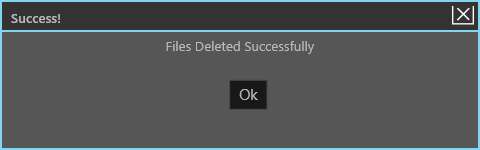
PatchCleaner: Delete orphaned file successfully
PatchCleaner: All orphaned files are deleted

Popular posts from this blog

nmap - The Network Mapper

WARNING : It is ILLEGAL to scan hosts without permission.

VMware Workstation: vmrun.exe

Using vmrun.exe to manage VMs on VMware Workstation

Linux command: lspci

Linux command: lspci - list pci devices tuyendq@ubuntu001:~$ man lspci NAME        lspci - list all PCI devices SYNOPSIS        lspci [options] DESCRIPTION        lspci is a utility for displaying information about PCI buses in the system and devices connected to them.        By  default,  it  shows a brief list of devices. Use the options described below to request either a more verbose output or output intended for parsing by        other programs.        If you are going to report bugs in PCI device drivers or in lspci itself, please include output of "lspci -vvx" or even better  "lspci  -vvxxx"  (however,        see below for possible caveats).        Some  parts of the output, especially in the highly verbose modes, are probably intelligible only to experienced PCI hac...